Cloth we will and will not take
The counter prices are for ordinary cloth: cotton, linen, wool suiting, denim, and everyday blends. Other cloth is either a conversation or a refusal. Leather is a refusal. Beading is a conversation, and only after we have the garment in our hands.
Bring the piece in the morning, clean, if you are not sure. A photograph on a phone is useful for a first no. It is a poor way to judge whether a seam allowance exists, or whether a silk is already shattered. We would rather look at the cloth by the window than guess from a picture taken at night.
We will take
- Cotton: poplin, shirting, canvas, drill, denim, and a plain cotton jersey hem. Jersey is sewn so the hem stays stretchy. A tailored wool technique on a T-shirt looks wrong, and we will not do it.
- Linen, including linen that creases. We press it. It will crease again on the walk to Levinsky. That is the cloth, not a failed press.
- Wool: suiting, flannel, crepe, gabardine. We press with a cloth over the face. A bare iron leaves a shine you cannot brush out.
- Viscose and cupro, for hems and simple seams, pressed from the wrong side so they do not bruise.
- Polyester and ordinary blends in everyday clothes. If the cloth will not take a crease without melting, we will say the hem can be sewn and not sharply pressed.
- Simple silk, habotai or a silk crepe or a silk lining, after we have seen that the cloth is not splitting. The price is the one we write that morning, not the cotton price from the list.
We do not take curtains, upholstery, or bags. A pair of cotton trousers is the work. A sofa cover is not, even if the cloth is cotton. Uniforms are fine when the job is a hem or a waist on a shirt you wear to work. We are not a contractor for a military or airline specification, and we will not invent insignia.
We will not take
- Leather, suede, sheepskin, and fur. The needles are wrong, the dust is wrong next to a wool hem, and the repairs fail in a way we do not want to own.
- A leather trim we would have to stitch through to replace a zip. The zip may be ordinary. The leather is still a no.
- Coated rain fabric, PVC, and laminated “technical” shells. They puncture and the hole does not close.
- Beadwork, sequins, or embroidery that would have to be lifted off a whole panel and sewn back. That is reconstruction, not a hem.
- Bonded and glued seams, including a lot of cheap outerwear and some sportswear. If the seam is glue, there is nothing to let out.
- Down jackets. The fill escapes, and a simple-looking sleeve becomes a mess on the table.
- Clothes that are wet, mouldy, or unwashed after heavy wear. They do not go on the cutting table.
- Haute couture construction: boned bodices, hand-padded lapels built from scratch, corsetry. Altering a simple seam on a dress you own is a different question from building that structure.
Ask first
These are not automatic yeses, and they are not automatic noes. Bring the garment in, or write and then bring it. We answer after we see how the cloth is made.
- A few beads or a short line of sequins that crosses the hem, if they are sewn and not glued across the whole skirt.
- Lace that is a trim, not a whole panel of appliqué on a nude base. Wedding lace of the second kind is usually a no. Ask with the date anyway, before you tell anyone else we can do it.
- Vintage cloth, especially silk that may split when the needle enters. We will pinch a seam in the light. If it powders, we stop.
- Stretch evening fabric, the shiny kind with elastane. It can be hemmed. It often cannot be let out, and the press is delicate.
- Embroidery that crosses a seam we would need to open. If the stitch is the thing you care about, opening the seam may be the wrong repair.
- Horsehair braid and a very full hem. Possible, slower, and not the straight-skirt price.
- A kilt, or trousers with a double waistband, if you want them let out. We have to see the inside.
If you are bringing your own cloth for made-to-measure, the same lists apply. We do not cut leather trousers because you already bought the hide. We do not cut a dress from a cloth that will not press, and then argue about the wrinkles. If your cloth has a flaw, a bar, or a pull in the weave, tell us before we cut. If we find it as we spread the cloth, we stop and call the number on the ticket. We would rather delay the cut than sew a fault into the front of a shirt.
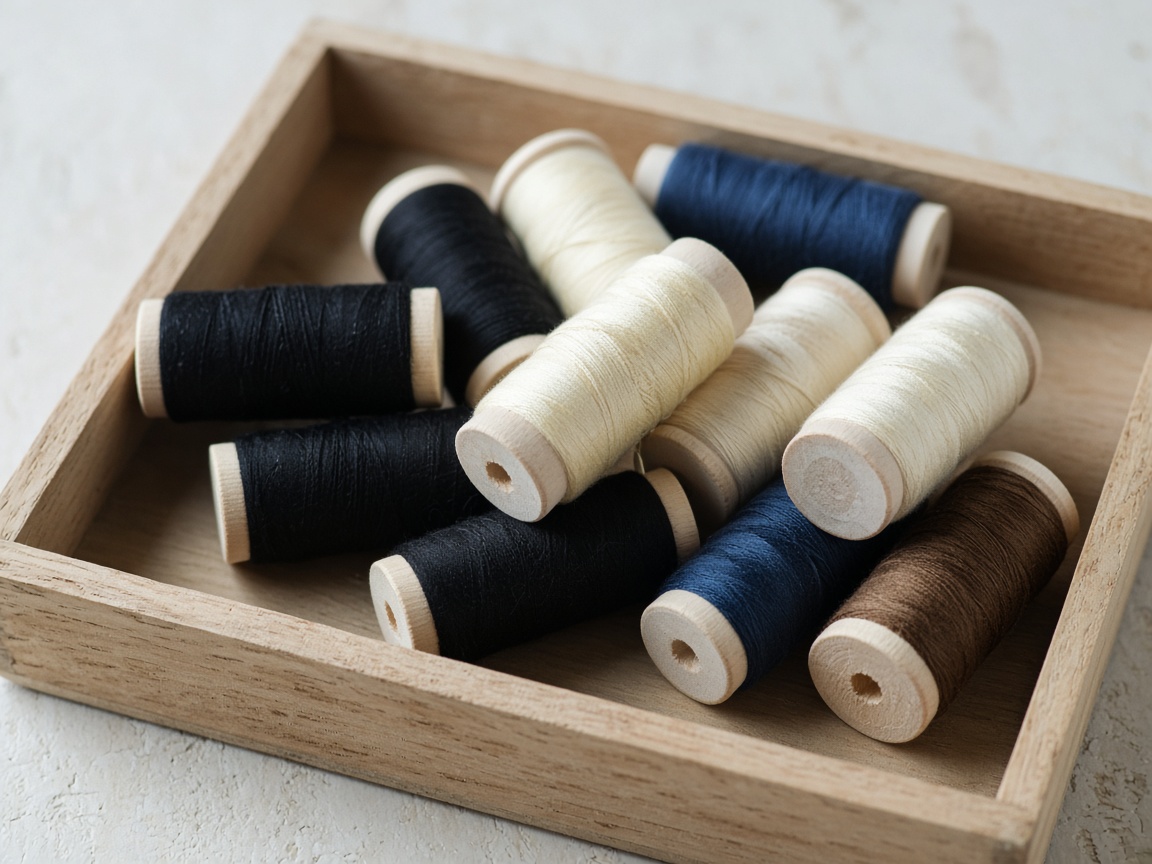
Thread colour is matched in daylight by the window, not under the single bulb at the back of the room. If you need a thread that is not black, cream, indigo, or brown, say so. We may have to get it, and that can add a working day. It will not add a surprise charge without us saying the amount first.